3 basic human needs
Basic human needs that help motivate students
As educators it is important to provide materials and resources to help motivate and keep students encouraged.
Meeting basic human needs such as autonomy, competence and relatedness will help your students succeed in the classroom, as well as home and community.

Autonomy
Autonomy refers to an individual feeling that they choose their behavior and that it is aligned with their values and interests (Kime, 2022). Having a flexible classroom that offers different choices for the student to achieve the same outcome based on their own interests often creates a sense of confidence and self-sufficiency in students.

Competence
When a student feels competent, they have the feelings and desires to complete their work correctly and timely. Building students competence requires giving them challenging, yet level appropriate tasks. Competence is different in every student, but our goal as an educator is to help them develop a sense of accomplishment.

Relatedness or Interest
Showing personal interest and relating to your students with support and connection will help develop a stronger relationship. Helping students develop friendships with their peers can also help motivate them in the classroom when they realize that they are mutually supported and admired.

Meeting Vs. Not Meeting Needs
When students needs are met they flourish in the classroom. They are energetic and confident. They can focus and engage with self-confidence. When their needs are not met, they can sometimes regress from learned skills and lose motivation to participate or even pay attention. Implications of not meeting needs can lead to poor self regulation, behavior and below average or failing scores.
How sociocultural & cognitive factors affect student motivation and classroom engagement
Influences from home, community, family and all of our surroundings help make up the sociocultural factors that affect how motivated and how well we engage with others. In a classroom, these factors as well as the level of cognitive development can determine how quickly and competently students succeed. Cultural differences, like having no direct eye contact or language barrier can affect communication and motivation. Motivation plays a key role in learning English (Noori, 2025). Teachers can overcome these challenges by developing a strong relationship with the student and parents. Open communication and consistency will help keep them motivated. When students feel motivated, they collaboratively work with others and achieve higher grades (Noori, 2025). Create a positive learning environment that respects and values other cultures and promotes confidence in your students and the ability, along with the resources to succeed.
Ways teachers can improve student motivation and engagement at home & school
Keeping students motivated in the classroom and at home can be tricky and challenging, but it is essential, as it strengthens communication, not only the student, it provides the parents an opportunity to engage with their child’s learning.

In the classroom: Teachers should create a positive learning environment where the students feel comfortable. Set clear expectations and rules for participation and discussion. Provide choices with assignments that allow the student to choose how they complete their work. Give praise and provide constructive feedback to encourage your student and build confidence. Be supportive and understanding and encourage your students to set goals when they are practicing and doing tasks.

Teachers & Parents: Educators should involve parents in their child’s academic successes, as well as struggles. Open communication and providing projects or study sheets for parents to work on at home can help increase participation and motivate the students to engage in class discussion. Providing flashcards, booklets and manipulatives that parents can use at home to promote skills, while increasing the bond between the child is a win-win. Students that have parents who practice at home excel faster than those who lack this involvement.

At Home: Encourage parents to promote social interaction. This helps develop grammar and social skills. Supply parents with newsletters that provide the upcoming unit or subject that will be studied. Provide options and ideas for activities that parents can do together with their child at home, such as “kid friendly”- “family oriented” recipe that the entire family can participate in. Encourage parent participation on field trips, for class parties or craft days. Have a volunteer calendar for snacks and guest readers.
Teacher Attributes: promoting and hindering student motivation in the classroom

Promoting Motivation
Motivated teachers are likely to be more engaged, perform to their highest potential and positively affect those around them (Brandon, 2024).
build confidence with scaffolding
Using scaffolding as a strategy to build your student’s confidence and skill level helps them master certain tasks and gradually increases their ability and confidence. When students realize they are successful by using “steps”, they will have ongoing confidence to keep making progress.
acknowledge personal ability and expectation
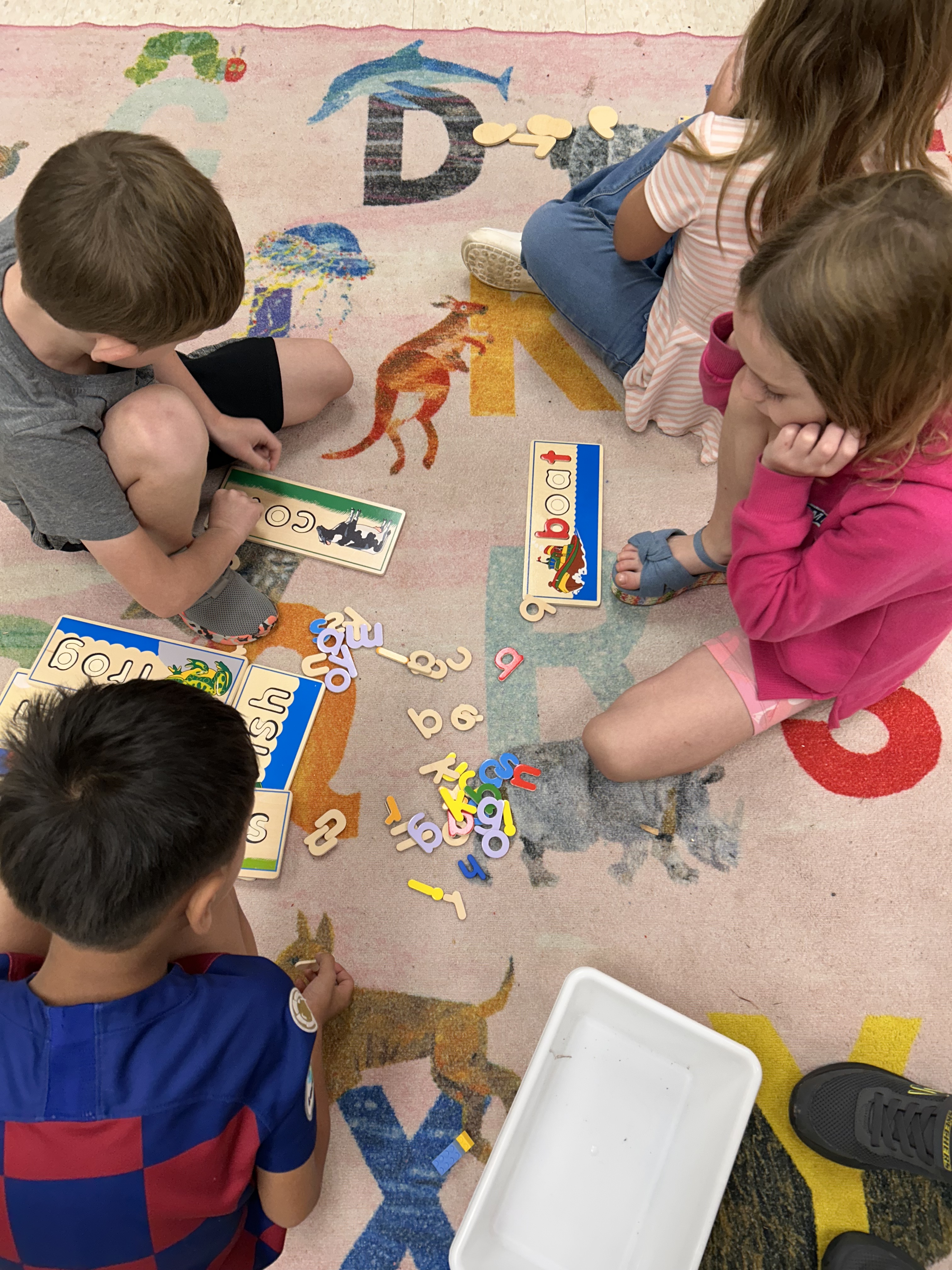
Teachers should foster personal interest and ability when establishing and setting expectations in the classroom. Realize that all student’s are not at the same performance level. Many students require instruction or directions broken into smaller sections in order to comprehend. Some work better when manipulatives or visuals are supplied alongside the regular curriculum.

Hindering Motivation
Teachers with low motivation can cause students to regress and disengage. Damage to a child’s motivation in the early years can lead to problems throughout their academic journey into adulthood.
lack of emotional support and praise
Some students need constant reminder that their efforts are adequate. Lack of constructive feedback and praise can damage the student’s self confidence and drive to continue to participate. Teachers should exhibit model behavior and have a positive attitude and patience. Student’s can detect frustration, therefore, always maintain a positive disposition.
extrinsic vs. intrinsic motivation
Teachers often find it easier to reward students with immediate gratification with items like stickers or candy. This form of reward is known as extrinsic motivation. While it is effective, overuse can lead to the student’s expectations and drive to be “material” based as opposed to building self efficacy. It is important that students learn to reach goals and know how to have self-drive to complete tasks for their personal satisfaction.
 Educator Blog Post